27th International Symposium on Plant Lipids

KEYNOTE SPEAKERS


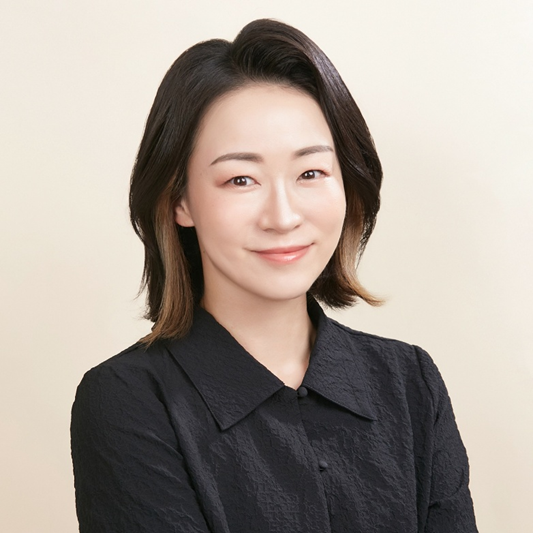
Philip Bates
Washington State University, Pullman, USA

Presentation title:
Expanding diversity of triacylglycerol assembly pathways and their control to produce designer plant oils
 
Professor Philip Bates started in the field of plant lipids as a graduate student at Michigan State University working with Professor John Ohlrogge and Dr. Mike Pollard. At MSU Dr. Bates discovered his passion for elucidation of lipid metabolic pathways through isotopic tracing of metabolism. After graduating with a PhD in Biochemistry, Dr. Bates conducted postdoctoral research at Washington State University with Professor John Browse investigating metabolic bottlenecks in plants engineered to accumulate unusual fatty acids. In 2013 Dr. Bates established his own lab at the University of Southern Mississippi, and in 2014 ISPL recognized Dr. Bates’ contributions with the Paul Stumpf Award. Dr. Bates transferred his lab to the Institute of Biological Chemistry at Washington State University in 2018. The current focus of his lab is to identify mechanisms that differentially control acyl flux through various branches of lipid metabolic network in crop and wild-type species, and to use that knowledge for rational control of plant oil production. Recent work has discovered a new pathway of seed oil assembly, coined triacylglycerol remodeling, that is key to controlling the final seed oil composition of various oilseed plants and is a new tool for designer oilseed production.


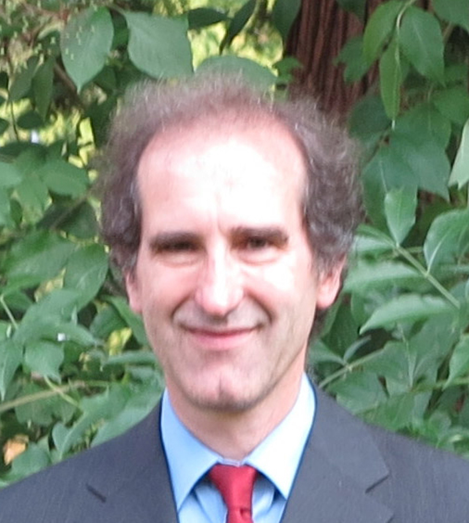
Ivo Feussner
Georg-August University of Göttingen, Göttingen, Germany

Presentation title:
What the genome does not tell - Searching for metabolic steps in sphingolipid biosynthesis across over 500 million years of plant evolution
 

Ivo Feussner is a Professor (since 2002) in Plant Biochemistry at the Georg-August-University (Goettingen, Germany). He received his diploma in chemistry from the Philipps-University (Marburg, Germany) in 1990 and his Ph.D. degree in plant biochemistry working with Prof. Helmut Kindl, also from the Philipps-University in Marburg (1993). He joined Profs. Claus Wasternack and Benno Parthier at the IPB (Halle/Saale, Germany), and Prof. Uwe Sonnewald at the IPK (Gatersleben, Germany) till 2002. Dr. Feussner has authored or co-authored over 375 papers in peer-reviewed journals with a h-index of 81 (web of science), and has given over 40 invited presentations at national and international venues. Dr. Feussner is a Fellow of the Saxonian Academy of Sciences (Leipzig, Germany), the Lower Saxonian Academy of Sciences, and the German National Academy of Sciences, Leopoldina. He received the Shering Award of the GBM, the Terry Gallaird medal by the ISPL and the European Science Award of EuroFedLipid. Dr. Feussner`s expertise ranges from molecular and genetic analysis of plant and fungal lipid biosynthesis, to lipid-derived hormonal signaling connected to stress with a focus on jasmonates and other oxylipins, lipidomics, cell biology of metabolic pathways as well as working on structure-function relationships of lipid metabolizing enzymes. He is developing alternative transgenic crop plants such as Camelina sativa in order to produce new traits such as modified seed oil content.
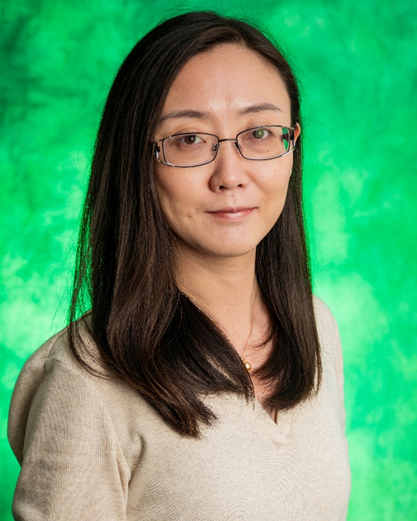
 

Yingqi Cai
Washington State University, Pullman, USA

Presentation title:
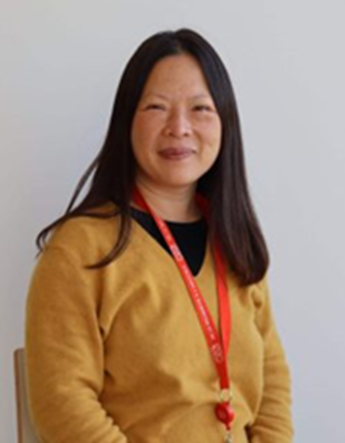
Plant Cellular Machinery for Lipid Droplet Biogenesis
 
Yingqi Cai is an Assistant Professor in the Institute of Biological Chemistry at Washington State University. She earned her Ph.D. in Biochemistry and Molecular Biology from the University of North Texas, where she investigated the functions and applications of lipogenic factors in plants. Following her doctoral studies, she joined Brookhaven National Laboratory as a postdoctoral researcher, focusing on the regulatory mechanisms of plant lipid metabolism and developing strategies to enhance lipid accumulation in vegetative tissues without impairing plant growth. Her work has advanced our understanding of plant lipid droplet biology, including the identification of key lipid droplet proteins and the development of working models describing lipid droplet formation in plant cells. At WSU, her lab employs cutting-edge molecular, biochemical, and imaging approaches to uncover the mechanisms governing lipid droplet biogenesis and modulation, their roles in plant development, stress adaptation and energy storage, and to design innovative strategies to engineer lipid droplets for enhanced production of valuable bioproducts in plants.


Yonghua Li-Beisson
Aix-Marseille University, CNRS/CEA, Aix Marseille, France

Presentation title:
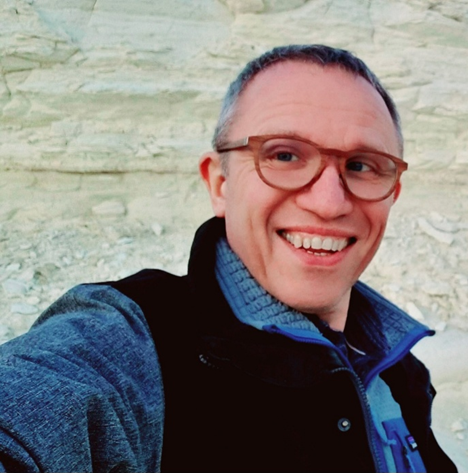
How do Chlamydomonas manage its lipid droplet dynamics?
 

Yonghua Li-Beisson is a biologist specialized in lipid metabolism. She obtained a PhD on lipid metabolism in oleaginous filamentous fungi (Colin Ratledge's laboratory, U.K.) where her work highlighted the importance of reducing power (via the malic enzyme) in the stimulation of de novo fatty acid biosynthesis. She then did postdoctoral research in the laboratory of John Ohlrogge (MSU, USA), where she studied lipid metabolism in the plant Arabidopsis thaliana. Together with other members of the group, she made several discoveries on the biosynthesis and export of cutin/suberin monomers, lipid-based polyesters that occur widely in nature and play important physiological and developmental functions.
At CEA Cadarache, she focused on the study of photosynthetic carbon metabolism in microalgae. Her general objectives are to understand the molecular mechanisms of the conversion of light energy into chemical energy contained in microalgae storage compounds such as lipids and starch. In particular, she is interested in the subcellular energetics and compartmentalization that govern CO2 capture and carbon flux into fatty acids and stored as lipid droplets. One particular current focus is on the biogenesis and turnover of lipid droplet during environmental fluctuations in microalgae. In summary, her research focuses on microalgae metabolism, physiology and biotechnology in the context of bioenergy and the circular carbon economy.
In addition to research, she serves as members of the editorial board for the Plant Cell and the journal Plant Cell and Physiology, and serve on the advisory board for New Phytologist. She is the director for the team focusing on algal photosynthesis and metabolism, and she also leads the European platform HelioBiotec.
 

Eric Marechal
Laboratoire de Physiologie Cellulaire Végétale, CNRS, Grenoble, France

Presentation title:
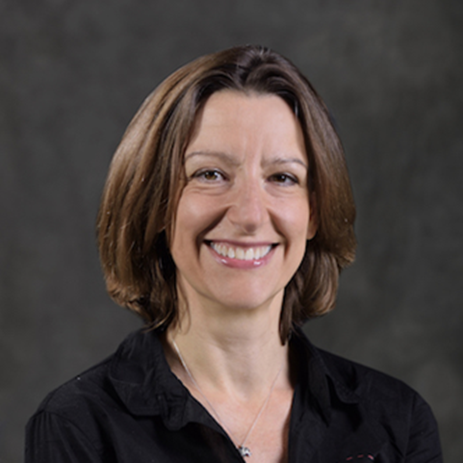
MGDG Synthases Unleashed: From Chloroplast Heritage to Novel Functions Across Eukaryotic Evolution
 
CNRS Scientist, director of the LPCV in Grenoble, France. Interested in the evolution of algal and plant cell membrane architecture, in plastid-containing eukaryotes. Focus on membrane and storage lipid pathways, under evolutionary (primary and secondary endosymbiosis) and environmental (nutrition stress, temperature variations) constraints. Working models including green algae, plants, diatoms and other stramenopiles, and apicomplexa. Currently coordinating the Alpalga project (https://alpalga.fr/).


Federica Brandizzi
Michigan State University, East Lansing, USA

Presentation title:
Bridging the gap between the plant ER and heterotypic membranes
 
Federica Brandizzi is a John A. Hannah Distinguished Professor at Michigan State University, where she leads pioneering research on the role of endomembranes in plant growth, productivity, and stress responses on Earth and in space. She completed her PhD in Cell and Molecular Biology at the University of Rome Tor Vergata in 1997, followed by postdoctoral research at the University of Oxford and Oxford Brookes University, focusing on gene regulation and plant cell endomembranes.
In 2003, Dr. Brandizzi established her first independent lab as a Canada Research Chair at the University of Saskatchewan. She joined Michigan State University in 2006 and, since 2025, has served as Director of the MSU-DOE Plant Research Laboratory. She is also the Science Director of the DOE Great Lakes Bioenergy Research Center.
Elected as a Fellow of the American Association for the Advancement of Science in 2018, Dr. Brandizzi has published over 200 articles. A passionate plant cell biologist, she is dedicated to advancing fundamental knowledge of organelle function and training the next generation of scientists to improve crops for sustainable agriculture and space exploration.


Jesús Balsinde
Instituto de Biología y Genética Molecular (CSIC), Valladolid, Spain

Presentation title:
The Anti-inflammatory Power of Pamitoleic Acid
 
Jesús Balsinde is a Spanish National Research Council Professor of Biology and Biomedicine at the University of Valladolid School of Medicine. He obtained an MS degree in Chemistry and Biochemistry and a PhD degree in Biochemistry and Molecular Biology from Complutense University of Madrid, and received postdoctoral training at the University of California, San Diego, where he also spent a few years as an Assistant Project Scientist. He joined the faculty of the University of Valladolid School of Medicine in 2000. His research focuses on applying mass spectrometry-based lipidomic approaches to the study of the innate immune response in humans and murine animal systems. Particular emphasis is placed on the search for stimulus-specific lipid activation markers whose metabolic pathways of synthesis can provide targets for pharmacological intervention. The phospholipase A2 family of enzymes and the routes for phospholipid fatty incorporation and remodeling are also long standing interests. His work has been supported by state and regional founding agencies, charities, private foundations and the industry and he is past and present member of various editorial and scientific boards and grant review panels. More info at https://www.balsinde.org/.


Mi Chung Suh
Sogang University, Seoul, South Korea

Presentation title:
Diurnal regulation of cuticular wax biosynthesis
 
Mi Chung Suh received her B.S., M.S., and Ph.D. in Biology from Korea University and conducted postdoctoral research at Seoul National University, Korea Research Institute of Bioscience and Biotechnology (KRIBB), and Michigan State University. Before joining Sogang University in 2018, she served as a Professor at Chonnam National University. She is currently a Professor in the Department of Life Science at Sogang University, Seoul, Korea. She has expertise in plant molecular biology and lipid biochemistry, focusing on the biosynthesis, regulation, and export of extracellular lipids, such as cuticular waxes, cutin, and suberin. Her research aims to understand how plants form protective lipid barriers and to apply this knowledge to the development of stress-resilient and bioenergy-efficient crops. Suh is involved in the international scientific community, serving on the editorial boards of Plant Physiology and Biochemistry (PPB) and Molecules and Cells (Mol. Cells), and helping to organize the Asian-Oceanian Symposium on Plant Lipids and the International Symposium on Plant Lipids.


Yvon Jaillais
CNRS / Université Claude Bernard Lyon, Lyon, France

Presentation title:
Anionic phospholipids in plant cell signaling and intercellular communication
 
Yvon Jaillais, CNRS Research Director, Plant Development and Reproduction (RDP) laboratory, ENS Lyon, France. Yvon Jaillais did his PhD at the Ecole Normale Supérieure de Lyon (ENS Lyon, France) in the group of Thierry Gaude, where he studied the link between intracellular trafficking, cell polarity and polar auxin transport. In 2008, he moved to the Salk Institute for Biological Studies (La Jolla, California, USA) to study brassinosteroid signaling in the group of Joanne Chory. He was recruited as a CNRS scientist in 2012 to work in the RDP lab (Lyon). There, Yvon Jaillais started a research program on the role of anionic phospholipids in membrane organization, receptor kinase signaling and plant development. His group focuses on the membrane-based mechanisms that allow plant cells to communicate with each other to regulate plant development and environmental interactions. His lab has built tools to image lipid patterns within membranes at multiple scales, and to perturb them with subcellular accuracy. They now address how those patterns are formed and their role in regulating intra and intercellular communication in plants. His significant contributions have been recognized with several awards, including two awards from the French Academy of Science (2007, 2021), the city of Lyon (2008), the "Claude Paoletti" award from the CNRS (2014), and two ERC Grants (2014, 2021).


Liang Guo
Huazhong Agricultural University, Wuhan, China

Presentation title:
Dissect the genetic architecture of seed-related traits in rapeseed through multi-omics analysis integrating AI and machine learning
 
Dr. Guo is professor of Huazhong Agricultural University and leader of rapeseed research team at Yazhouwan National Laboratory in China. Dr. Guo has been engaged in the research of rapeseed genetics and breeding. has great interest in plant lipid research including seed oil biosynthesis, membrane lipid metabolism, lipidomics and biotechnology. He is applying lipid metabolism knowledge in breeding rapeseed cultivars and selects three cultivars with very high seed oil content and improved fatty acid composition. Dr. Guo has published more than 140 papers in academic journals such as Nature Plants, Plant Cell, Genome Biology and Molecular Plant. He serves as managing editor of Molecular Breeding, editorial board member of J Integr Plant Biol and Oil Crop Science. Dr. Guo is an active member of international plant lipid community and serves as board member of International Symposium of Plant Lipid and Asia-Pacific Symposium of Plant Lipid.


Yasuyo Yamaoka
Catholic University of Korea, Seoul, South Korea

Presentation title:
Stress-induced lipid dynamics in photosynthetic aquatic organisms
 
Yasuyo Yamaoka is Assistant Professor in the Department of Biotechnology at The Catholic University of Korea. She received her D.Sc. from Saitama University, Japan, where she studied the role of plant phospholipids in pollen development of Arabidopsis thaliana. During her postdoctoral research at POSTECH, she investigated lipid metabolism in microalgae, and later at Seoul National University, she studied air-space formation in plants. In 2021, she established her laboratory at The Catholic University of Korea. Her research focuses on lipid metabolism and carbon allocation in response to environmental stress in microalgae and aquatic plants such as duckweed. By integrating molecular genetics, lipidomics, and synthetic biology, her group aims to elucidate the mechanisms underlying stress-induced lipid remodeling and to engineer photosynthetic organisms as sustainable biofactories.


Peter Dörmann
University of Bonn, Bonn, Germany

Presentation title:
Biosynthesis of nonpolar lipids during stress in plants and cyanobacteria
 
Peter Dörmann’s research focusses on the understanding of the biosynthesis and function of lipids in plants and bacteria. After training as a PhD student with Friedrich Spener (University of Münster) and John Ohlrogge (Michigan State University), and as a postdoctoral fellow with Christoph Benning (IGF Berlin, Michigan State University), he started his own research group at the Max Planck Institute in Potsdam-Golm before moving to University of Bonn for a professor position in 2008. During his career, he described the ubiquitous acyl-ACP thioesterase FatB, isolated the gene for the galactolipid synthase DGD1 and the tocopherol cyclase VTE1 from Arabidopsis. His group studied the biosynthesis of nonpolar lipids, including fatty acid phytyl esters and triacylglycerol in chloroplasts of plants and cyanobacteria. His work focusses on the intersection of acyl and isoprenoid lipid synthesis and the functional aspects during plant stress and plants and plant-bacterial interactions. Currently, Peter is leading an independent research at University of Bonn on plant lipids employing a combination of genetics, biochemistry, and lipidomics.


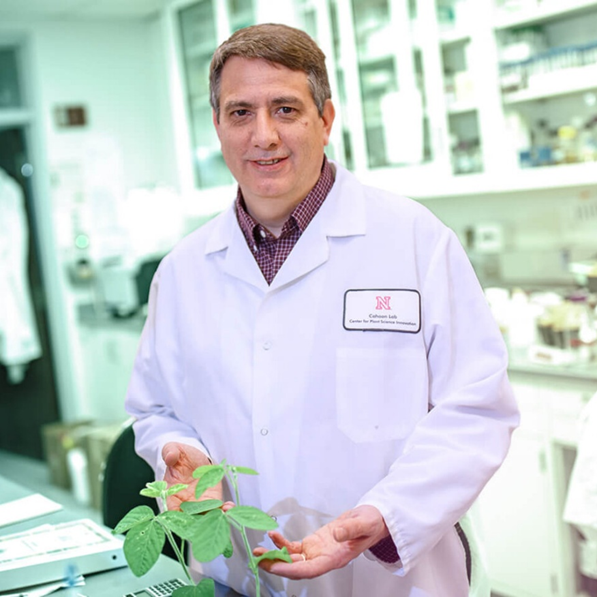
Edgar Cahoon
University of Nebraska-Lincoln, Lincoln, USA

Presentation title:
Translating Research: From Lab-to-Field-to-Application
 
Edgar Cahoon is the George Holmes University Distinguished Professor of Biochemistry and Director of the Center for Plant Science Innovation at the University of Nebraska-Lincoln. With nearly three decades of experience across academia, industry, and government, including positions at DuPont Crop Genetics, the Donald Danforth Plant Science Center, and USDA-ARS, he has focused his career on discovering and engineering plant lipid metabolic pathways. Dr. Cahoon’s research combines biochemistry, metabolic engineering, and synthetic biology to identify novel routes for producing high-value fatty acids, antioxidants, and carotenoids, and to transfer these pathways into oilseed and biomass crops such as soybean, camelina, and sorghum. His group’s work supports applications ranging from aquaculture nutrition to sustainable aviation fuel and has also advanced fundamental understanding of sphingolipid biosynthesis and function in plants.  Dr. Cahoon is a Fellow of the National Academy of Inventors and the American Association for the Advancement of Science and earned his BS in biochemistry from Virginia Tech, MS in plant physiology from Cornell University, and PhD in plant biochemistry from Michigan State University.